
Saudi Arabia witnesses unprecedented achievements one year after MBS became crown prince
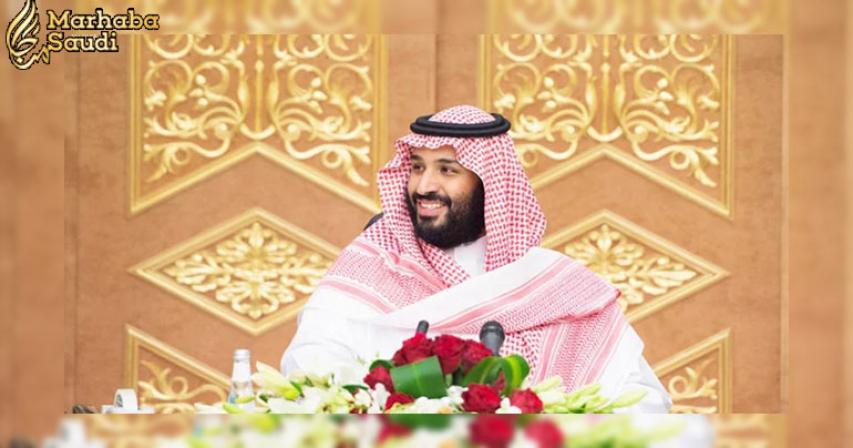
June 21 marked one year of Mohammed bin Salman as crown prince of Saudi Arabia.Since assuming the role, the crown prince, fondly known as MBS, has been working for the socioeconomic transformation of the Kingdom.
He is the architect of a wide-ranging plan for social and economic reforms known as Saudi Vision 2030, which aims to diversify the economy of the Kingdom and reduce its dependence on oil income.
Among the reforms envisaged in the Vision 2030 plan are the reopening of cinemas and allowing both sexes to attend concerts.
Another major development is the lifting of a ban on women driving. From June 24, women in Saudi Arabia will be able to take the wheel. The crown prince’s Vision 2030 reform plan seeks to elevate women to nearly one-third of the workforce, up from the current 22 percent.
In a statement issued to the Saudi Press Agency (SPA), Dr. Yousef bin Ahmed Al-Othaimeen, secretary-general of the Organization of Islamic Cooperation, said that as the architect of Saudi Vision 2030, the crown prince was inspiring the country’s youth and introducing structural changes to the Saudi economy and society.
Al-Othaimeen said that in one year he had taken many important initiatives at the national and international level and reinforced Saudi Arabia’s leading role in defending and supporting issues related to the wider Muslim world.
In this area, the OIC chief said, the most notable achievement was the creation of the Islamic Military Counter Terrorism Coalition.
Vision 2030 seeks to boost the Saudi non-oil based economy, and the large developments at the Red Sea, Qiddiya and NEOM, the futuristic mega city, are part of efforts to attract investors and promote the Kingdom’s tourism sector.
Saudi Minister of Telecommunications and IT Abdullah bin Amer Al-Sawaha said that the Kingdom is geared up to achieve the goals of socioeconomic transformation as envisaged in Vision 2030. He said that during the last year Saudi Arabia had achieved great success in this ambition.
Civil Services Minister Sulaiman bin Abdullah Al-Hamdan said that last year was characterized by many achievements. The Kingdom, he said, witnessed the continuation of the successful implementation of the crown prince’s Vision 2030, which covers all aspects of life.
Saudi Education Minister Dr. Ahmed bin Mohammed Al-Issa said: “Our country is looking forward to a bright future in line with an ambitious vision. It is standing at the threshold of great transformation.”
Saudi Arabia has also witnessed several unprecedented developments since Crown Prince Mohammed bin Salman began implementing his reform plans. In a bid to ensure transparency in the financial system to promote international investments, the Kingdom launched a drive to root out corruption from society without discrimination.
Saudi Justice Minister Dr. Waleed bin Mohammed Al-Samaani, who is also president of the Supreme Judicial Council, said that the crown prince is a leader whose impact has surpassed local and regional levels. He has emerged as one of the most influential figures at the global level, he said.
Islamic Affairs Minister Dr. Abdulatif bin Abdul Aziz Al-Ashiekh said: “The Kingdom’s Vision 2030 is a comprehensive national development program that seeks to achieve prosperity for the country. The crown prince has worked very hard to achieve many goals in record time.
“The Ministry of Islamic Affairs has received a great deal of support and attention from the crown prince to help fight extremist and deviant ideologies.”
The minister said that these efforts come within the framework of Vision 2030 to eradicate all sources of corruption.
MBS’s history of philanthropic initiatives has earned him many awards. In 2011, he established the Prince Mohammed bin Salman bin Abdul Aziz Foundation (Misk), which enables young Saudis to learn, develop and progress in the fields of business, literature, culture, science and technology, and sociology.
...[ Continue to next page ] / Source: arabnews

Comments