
Najran’s Hima Cultural Area Showcases Deep Natural and Archaeological Heritage
A Stunning Natural Landscape
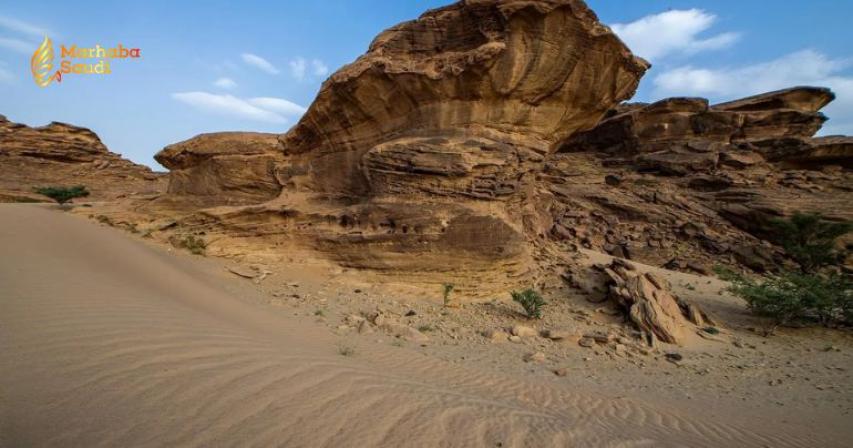
The rock formations in Najran's Hima Cultural Area beautifully define the local landscape. These diverse rock masses create a stunning natural picture. They warmly invite visitors to think about nature. Guests can also see real evidence of early human history. This unique site sits right in the heart of the Arabian Peninsula.
Vibrant Colors Come Alive
The natural colors of these rocks range from brown and orange to gold and earthy red. These brilliant hues stand out the most during early morning sunrises. They also look spectacular just before the sun sets in the evening. This shifting light adds a truly distinctive quality to the surrounding scenery.
Ancient Inscriptions Tell a Human Story
Mohammed Al-Mustaneer works as an archaeologist and local tour organizer. He explains how these geological formations hold deep archaeological significance. Ancient people carved inscriptions, drawings, and writings directly onto the rock faces. These markings serve as vital evidence of human life in the region. They span across many different historical eras.
A Window into Early Arabian Lifestyles
These incredible artifacts document the daily lives of ancient communities. They show how people inhabited or traveled through this specific area. The carvings shed light on their unique movement patterns and early lifestyles. You can even see details about their hunting and herding practices. The rock surfaces capture their earliest forms of artistic expression and symbolism.
Preserving Najran’s Cultural Tourism
Today, the Hima Cultural Area stands as a major natural and archaeological landmark. It perfectly reflects the rich cultural heritage of the Najran region. The site proudly displays its abundant cultural and tourism assets. It welcomes modern visitors while preserving history for future generations.
Want to read more fascinating stories about Saudi heritage? Catch all the latest cultural updates on the Marhaba Saudi homepage.
By: Ruchi Barwal



Comments