
KAUST Scientists Unleash A Monumental Two Trillion Dollar Marine Environmental Strategy
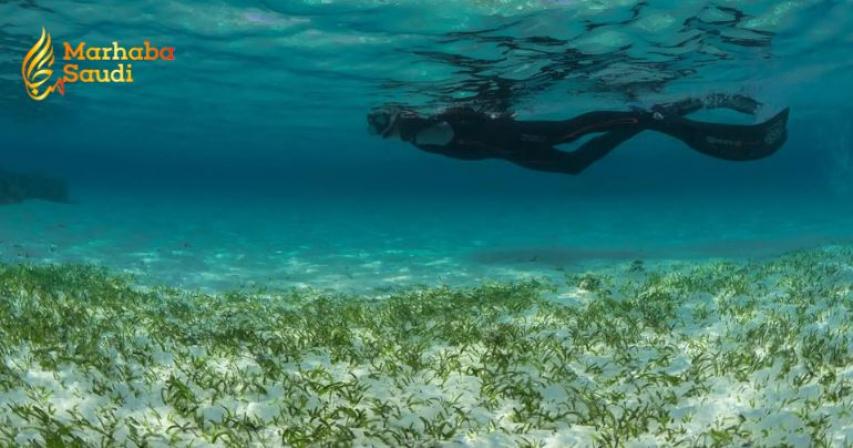
A Spectacular Global Study Proves Seagrass Restoration Can Aggressively Drive Massive Wealth
Researchers at King Abdullah University of Science and Technology just executed a massive breakthrough. They brilliantly co-led a highly impactful international environmental study. The research highlights the absolutely spectacular economic potential of restoring seagrass meadows. Scientists aggressively estimate this initiative could generate a staggering 2.3 trillion dollars globally.
Seagrass Aggressively Operates As A Massive And Vital Carbon Storage System
These brilliant underwater meadows act as incredibly effective natural carbon vaults. They aggressively protect vulnerable coastlines and brilliantly support complex marine life. However, they currently receive an insultingly small share of massive global climate finance. This spectacular new study aggressively demands a monumental shift in investment strategies.
Scientists Execute A Brilliant Framework To Attract Massive Global Capital
Professor Carlos Duarte proudly confirmed our massive growth in environmental understanding. He boldly stated the true challenge involves attracting highly lucrative, long-term investments. This spectacular research brilliantly links sound marine science directly to powerful financial mechanisms. It provides a phenomenal roadmap to aggressively scale up massive restoration efforts.
Saudi Arabia Aggressively Leads The World In Blue Economy Innovation
This monumental research provides incredibly timely evidence for the Kingdom. Saudi Arabia continuously executes massive investments in highly sustainable marine conservation. Extensive seagrass meadows brilliantly protect the stunning Red Sea coastline today. KAUST aggressively solidifies the Kingdom as an absolute global leader in environmental science. Read more about spectacular scientific breakthroughs and massive economic shifts at Marhaba Saudi.
By: Amita Kalsi

Comments